
Attic as Opportunity: Reworking the House from the Top Down
A Case Study : Attic House

Where lot coverage is limited and zoning is restrictive, the attic becomes one of the last available frontiers for meaningful spatial growth. All photography by Scott Norsworthy.
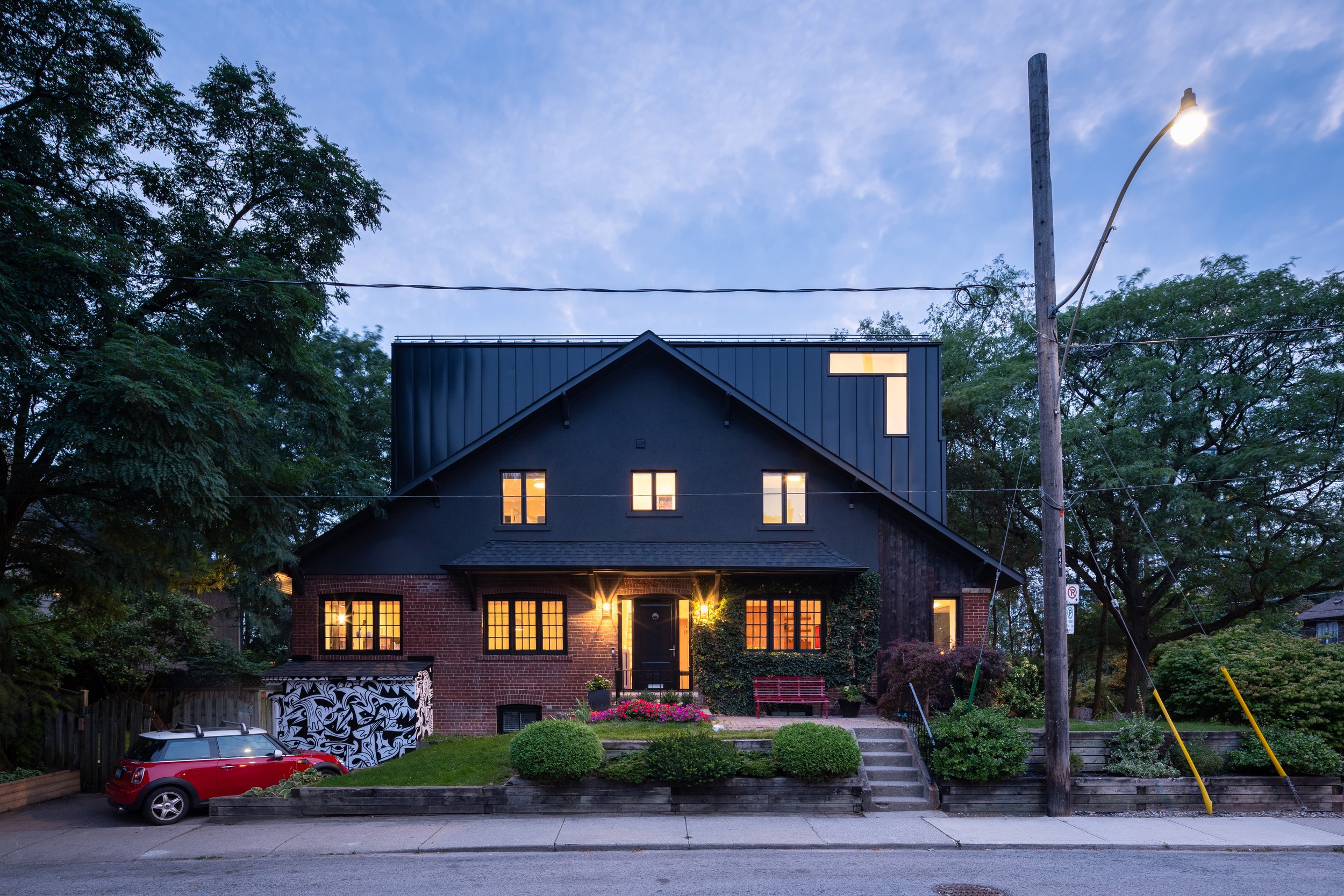
In many homes, the attic is an afterthought - dimly lit, underused, and spatially disconnected from the life below. For These Architects, it represents something else entirely: latent potential. The Attic House pop-up extension, located in Toronto, transforms this overlooked volume into a thoughtful architectural intervention - one that reshapes not only the roofline, but the way the house is inhabited.
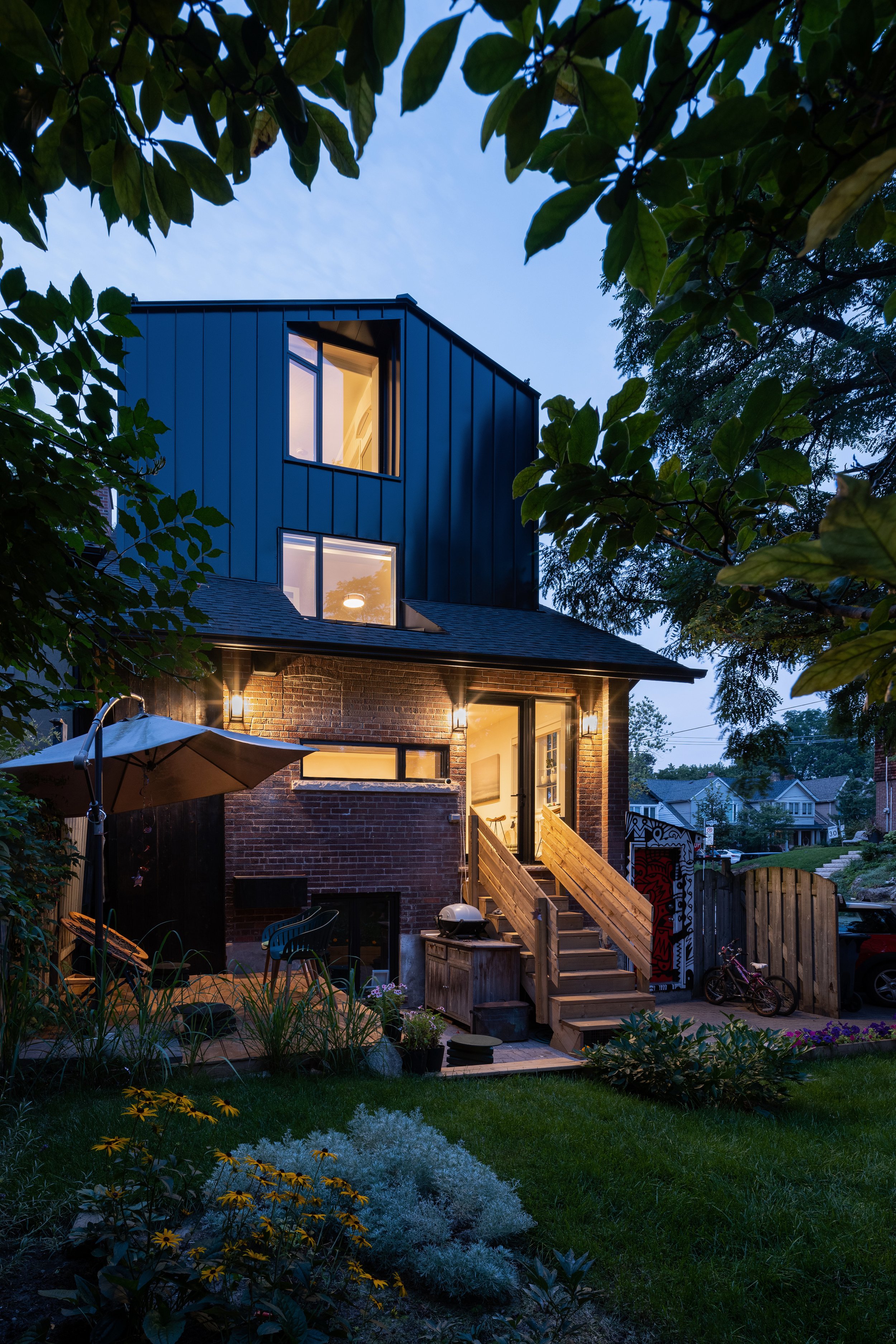
Rather than expanding outward, the project builds upward. The “pop-up” is both a literal and conceptual move: a carefully inserted addition that rises from the existing structure, creating a new inhabitable layer without compromising the footprint. This approach is as pragmatic as it is poetic. In dense urban contexts where lot coverage is limited and zoning is restrictive, the attic becomes one of the last available frontiers for meaningful spatial growth.
The design begins with restraint. Instead of a full-scale vertical addition, the intervention is surgical - lifting portions of the roof to introduce volume where it matters most. The result is a series of calibrated spaces defined by light, proportion, and orientation. Sloped ceilings give way to framed views, drawing daylight deep into the plan.
Material continuity plays a critical role. The extension doesn’t attempt to mimic the existing house, nor does it aggressively contrast it. Instead, it operates in a quiet dialogue - respecting the proportions and rhythms of the original structure while introducing a contemporary language that is legible but not overpowering. The exterior form reads as a natural evolution of the roof, rather than an imposition upon it.

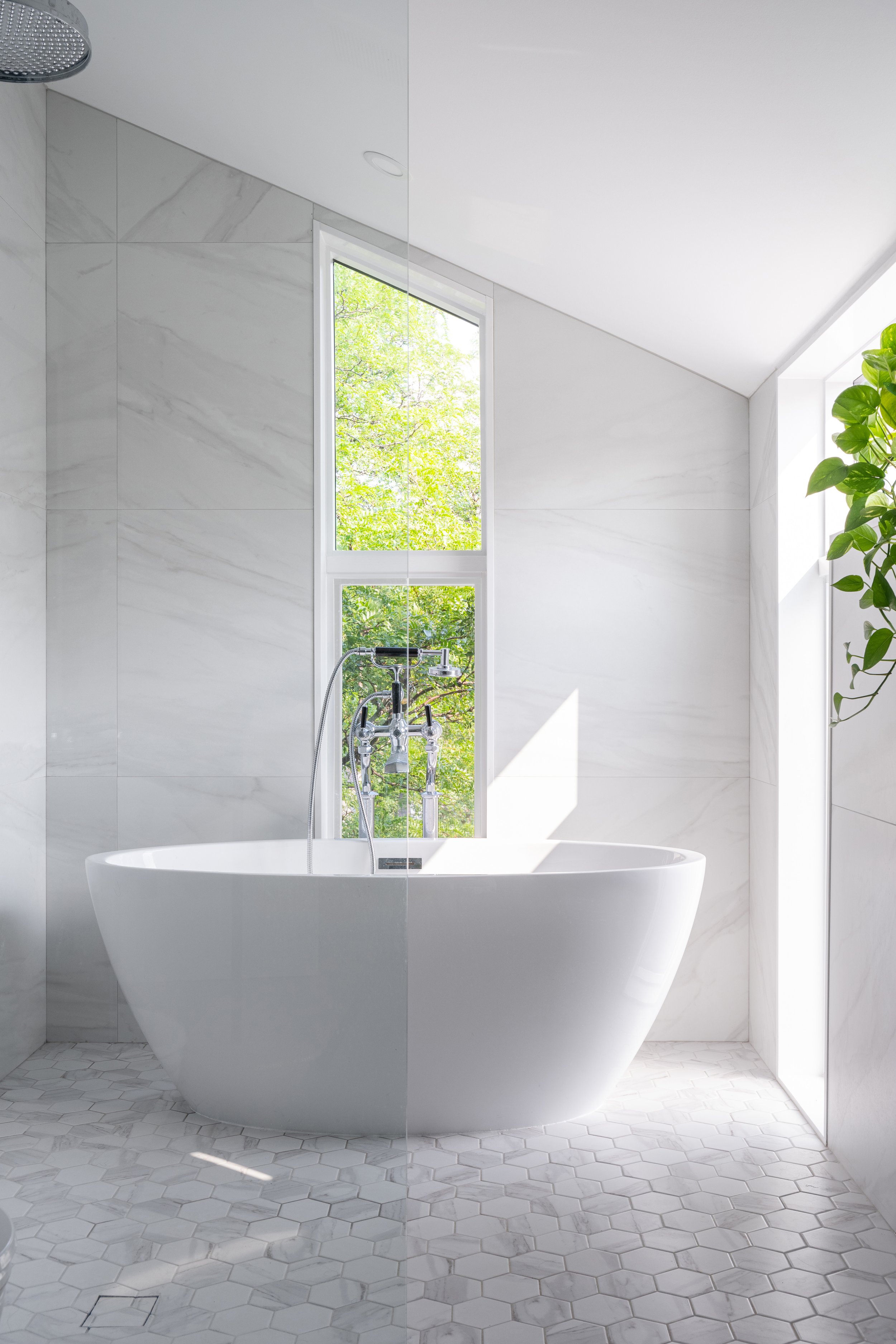
Inside, the spatial experience is intimate but expansive. The attic level often accommodates the most private functions - bedrooms, studios, or retreats - spaces that benefit from both separation and elevation. The architecture amplifies this sense of retreat without isolating it. Openings are choreographed to maintain visual connections to the surroundings while preserving a sense of enclosure and calm.
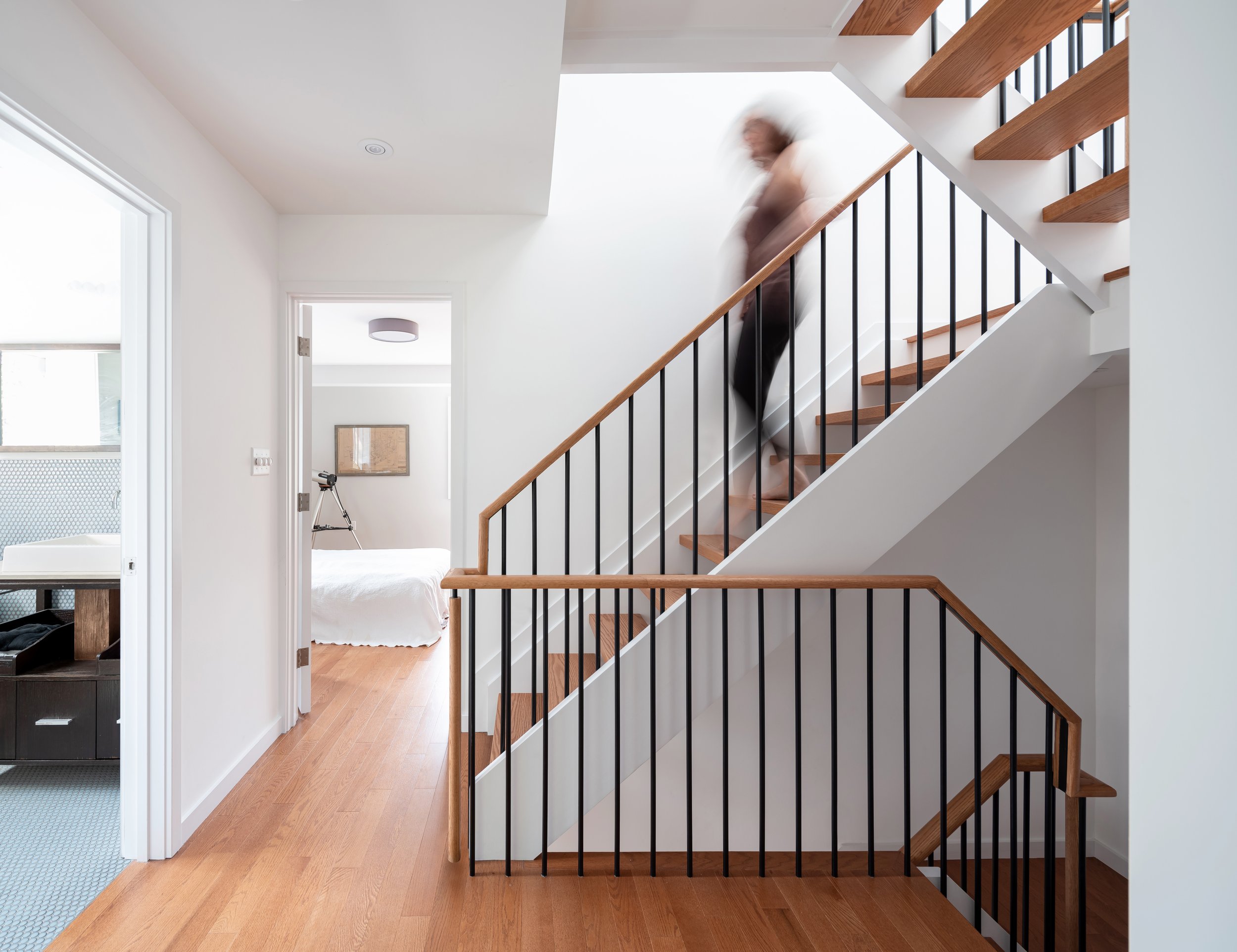
What distinguishes this project is not just the creation of additional square footage, but the rethinking of hierarchy within the home. By activating the attic, the vertical dimension of the house becomes fully engaged. Circulation extends upward with purpose, often culminating in a space that feels distinct from the rest of the dwelling - lighter, quieter, and more reflective.
There is also an underlying sustainability to the strategy. By working within the existing envelope and structure where possible, the project minimizes demolition and reduces material waste. The extension leverages what is already there, enhancing performance through improved insulation, natural light, and ventilation. It’s an approach that aligns with a broader shift in residential architecture: building smarter rather than simply building more.
The Attic House Pop-Up Extension is ultimately about re-seeing the familiar. It challenges the assumption that meaningful transformation requires radical change, demonstrating instead how careful, deliberate interventions can unlock entirely new ways of living within the same footprint. In doing so, it turns the top of the house into its most compelling space - a place where architecture feels both grounded and elevated at once.
Wondering what untapped potential exists in your home?
Contact us to start the conversation.
